
Keyword research is a decision process, not a contest to export the longest list. A useful tool helps you discover relevant queries, understand what currently ranks, estimate opportunity, and turn related terms into a page plan. Search-volume and difficulty figures are estimates, so the final check is always the live results and your own Search Console data.
This guide compares six distinct buying options: deep SEO suites, a focused research tool, a lower-cost platform, and Google's advertising planner. It covers general keyword research rather than AI-only discovery. For AI-assisted workflows, see our dedicated AI keyword research guide.
Start with the job you repeat every week. An agency investigating competitor gaps needs different exports and limits from a solo site owner validating ten article ideas. The cheapest plan is only useful when it includes enough lookups, seats, and regions for that job.
How we evaluated these tools
We reviewed vendor product and pricing documentation available on October 13, 2026. We compared discovery methods, SERP context, competitor research, workflow limits, and purchase terms. We did not run a controlled accuracy study against a shared keyword set, so these are buyer-fit recommendations rather than claims that one vendor's volume or difficulty metric is objectively most accurate.
Discovery quality
Can you move from seed terms to questions, related topics, and competitor gaps without losing the searcher's intent?
SERP context
Does the tool show current ranking pages, result features, and the broader traffic potential behind a query?
Planning workflow
Check lists, clusters, exports, collaboration, and the path from research to a content brief or tracked page.
Usable cost
Compare lookup credits, report rows, locations, seats, and billing terms at the workload you actually have.
Quick comparison
| Tool | Best fit | Pricing |
|---|---|---|
| Ahrefs Keywords Explorer | Best for deep SEO research | Starter $29/month; Lite $129/month |
| Semrush Keyword Magic Tool | Best all-in-one research suite | SEO Toolkit Pro $139.95/month |
| Mangools KWFinder | Best focused workflow | Subscription plans; see vendor pricing |
| SE Ranking Keyword Research | Best connected mid-market platform | Core $129/month |
| Ubersuggest | Best for light, budget-conscious research | Limited free access; paid and lifetime options |
| Google Keyword Planner | Best advertising-demand baseline | Included with Google Ads |
Pricing is a published starting point or billing model, not a quote for the same workload. Check the linked vendor page for current limits and billing terms.
Ahrefs Keywords Explorer
Best for deep SEO research
Best for: SEO teams connecting keywords to competing pages, backlinks, and search-result history
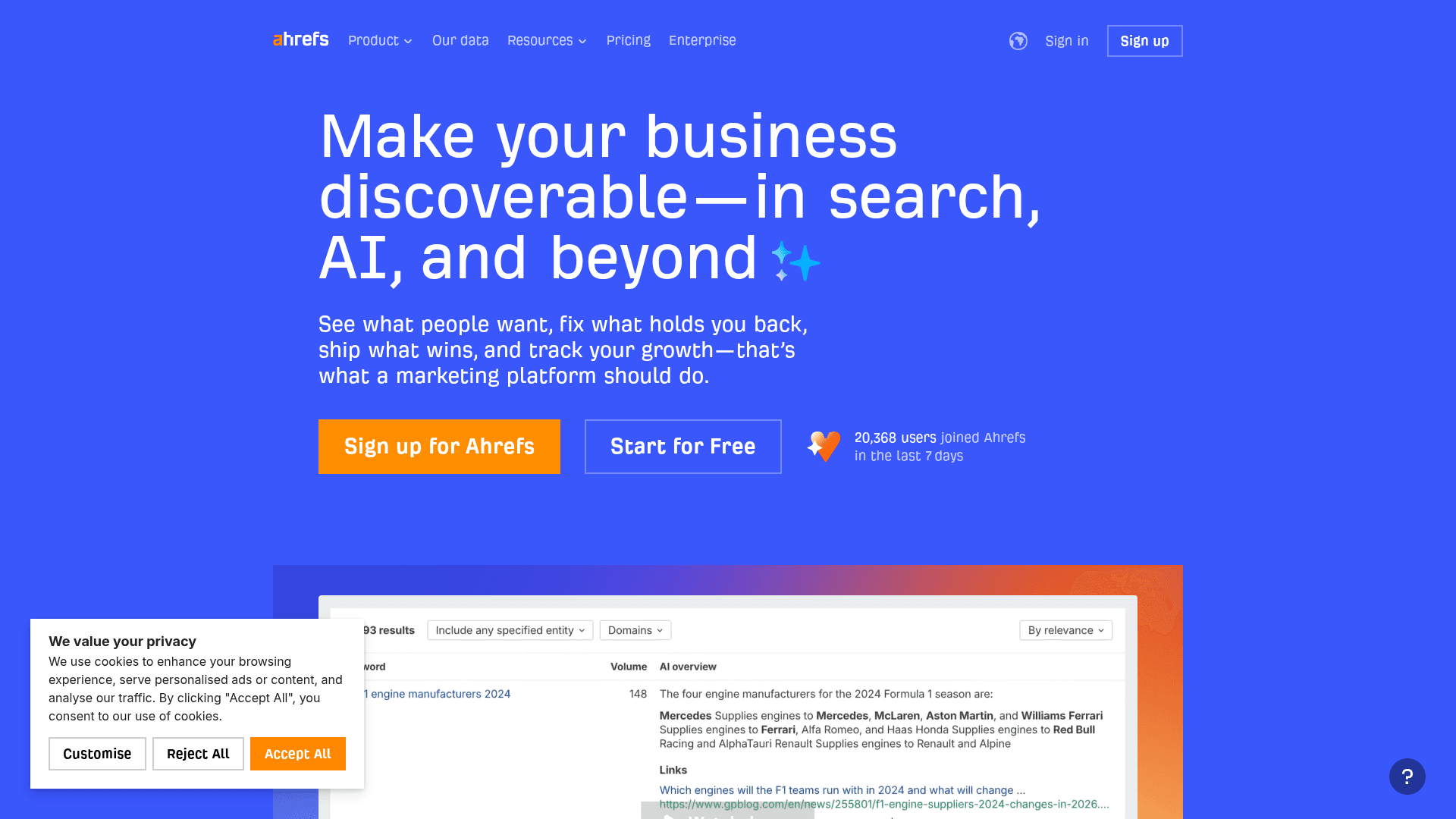
Keywords Explorer brings query ideas, ranking-page context, and SERP history into the same research flow as Site Explorer. That matters when you need to see which competing page wins a topic and what other queries it attracts. The entry Starter plan makes the product easier to try, but a recurring research workflow can exhaust its credits quickly. Treat Ahrefs' traffic potential and difficulty estimates as prioritization signals, then inspect the actual results before committing a page.
Where it shines
- Keyword ideas beside competing-page and backlink data
- SERP history and traffic-potential context
- Useful path from gap analysis to a keyword list
Consider before buying
- Starter's 200 monthly credits may constrain frequent research
- Higher tiers are a substantial commitment for an occasional user
Pricing: Starter $29/month; Lite $129/month
Starter has a much smaller monthly credit allowance than Lite. Confirm credit use and export limits for your workload.
Product details: vendor source
Semrush Keyword Magic Tool
Best all-in-one research suite
Best for: Teams that want keyword ideas, competitor gaps, rank tracking, and site audits under one subscription
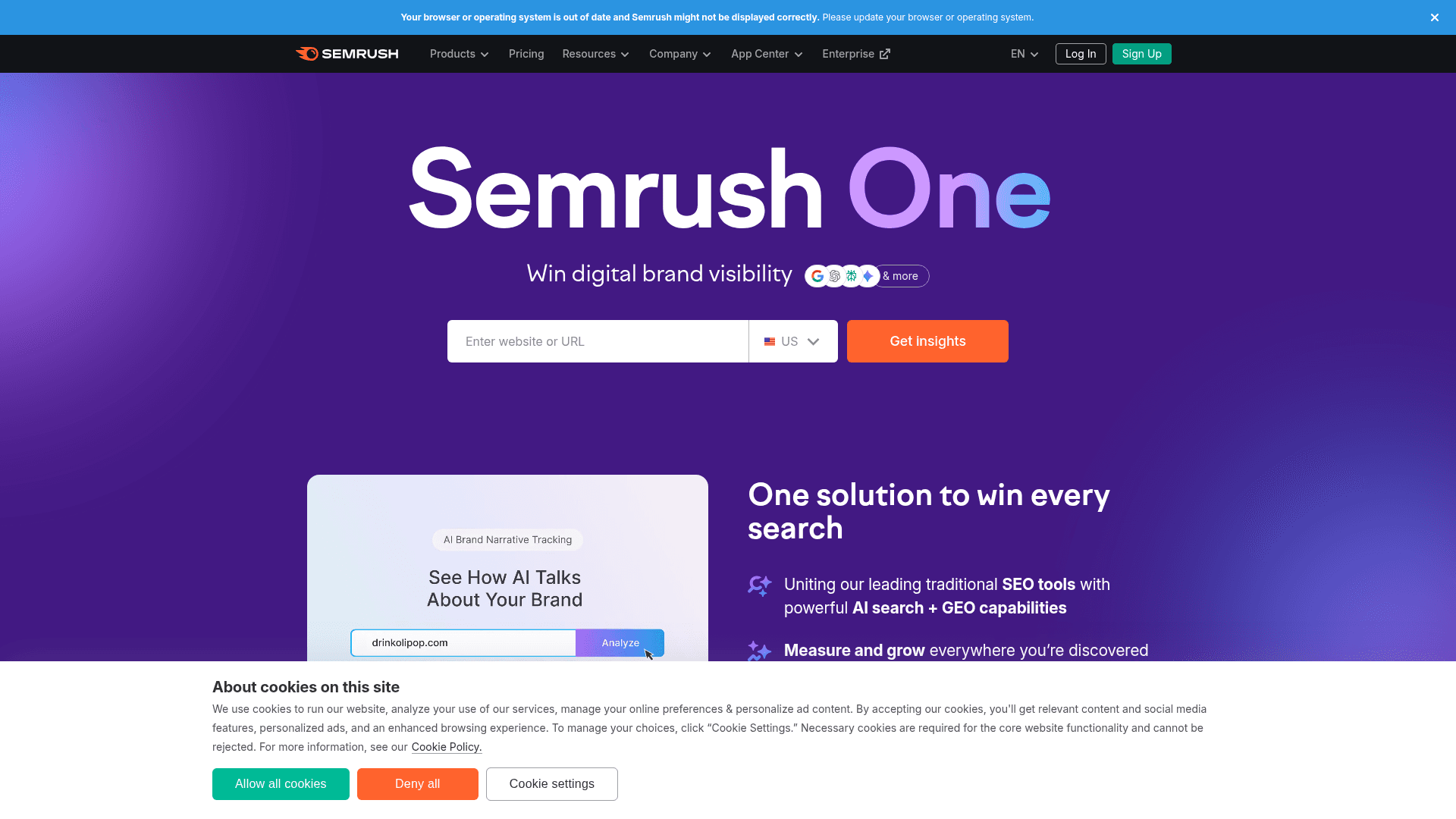
Keyword Magic Tool is most useful when a broad seed term needs to become a structured set of variations. Semrush also connects that work to Keyword Gap and position tracking, so a team can carry candidates through research and monitoring without changing platforms. The buying decision is about suite breadth: if you only need a small list once a month, the broader subscription may be more than you need.
Where it shines
- Large idea sets with filters and grouping
- Keyword Gap for competitor-led discovery
- Research connects to tracking, audits, and reporting
Consider before buying
- Suite pricing is high for occasional keyword checks
- Plan limits on results and metric refreshes require attention
Pricing: SEO Toolkit Pro $139.95/month
Pro, Guru, and Business have different result, metric-refresh, project, and tracking limits. Check the current plan table.
Product details: vendor source
Mangools KWFinder
Best focused workflow
Best for: Independent SEOs and small teams that want ideas and SERP checks without a large suite interface
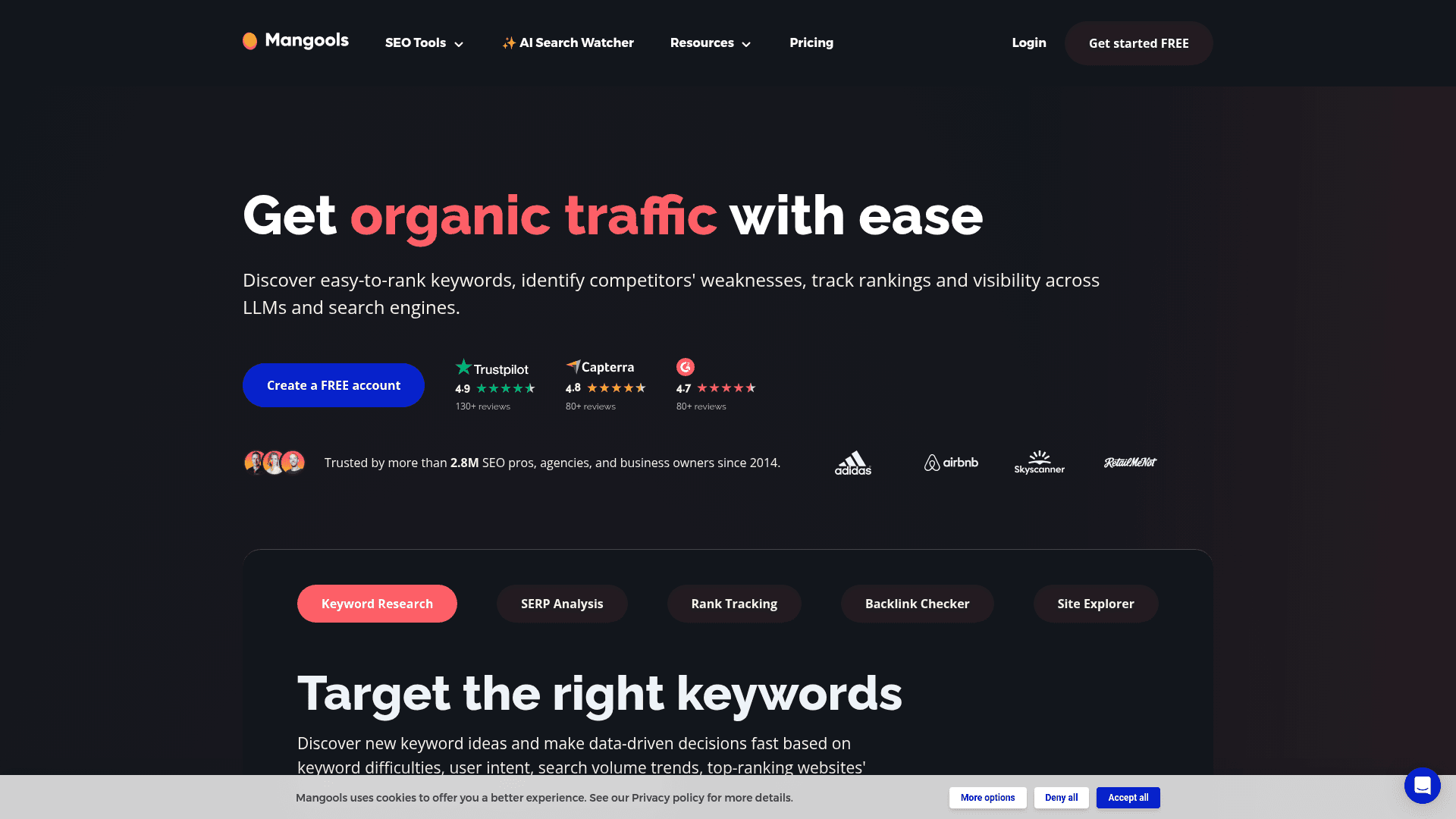
KWFinder keeps the search task narrow: enter a seed keyword or domain, inspect related terms, and check difficulty and SERP context before adding candidates to a list. Mangools pairs it with SERPChecker and rank tracking, giving smaller teams enough context without the density of an enterprise platform. Its limits matter more than the headline price, especially if you plan to expand many seed terms in one sitting.
Where it shines
- Straightforward keyword-to-SERP workflow
- Related Mangools tools for SERP checks and tracking
- Approachable for a single researcher
Consider before buying
- Daily lookup and suggestion caps vary by tier
- Less suited to very large competitor-research exports
Pricing: Subscription plans; see vendor pricing
Research limits differ by plan, including daily keyword lookups and suggestions.
Product details: vendor source
SE Ranking Keyword Research
Best connected mid-market platform
Best for: Agencies that want keyword discovery and competitor research alongside ongoing projects
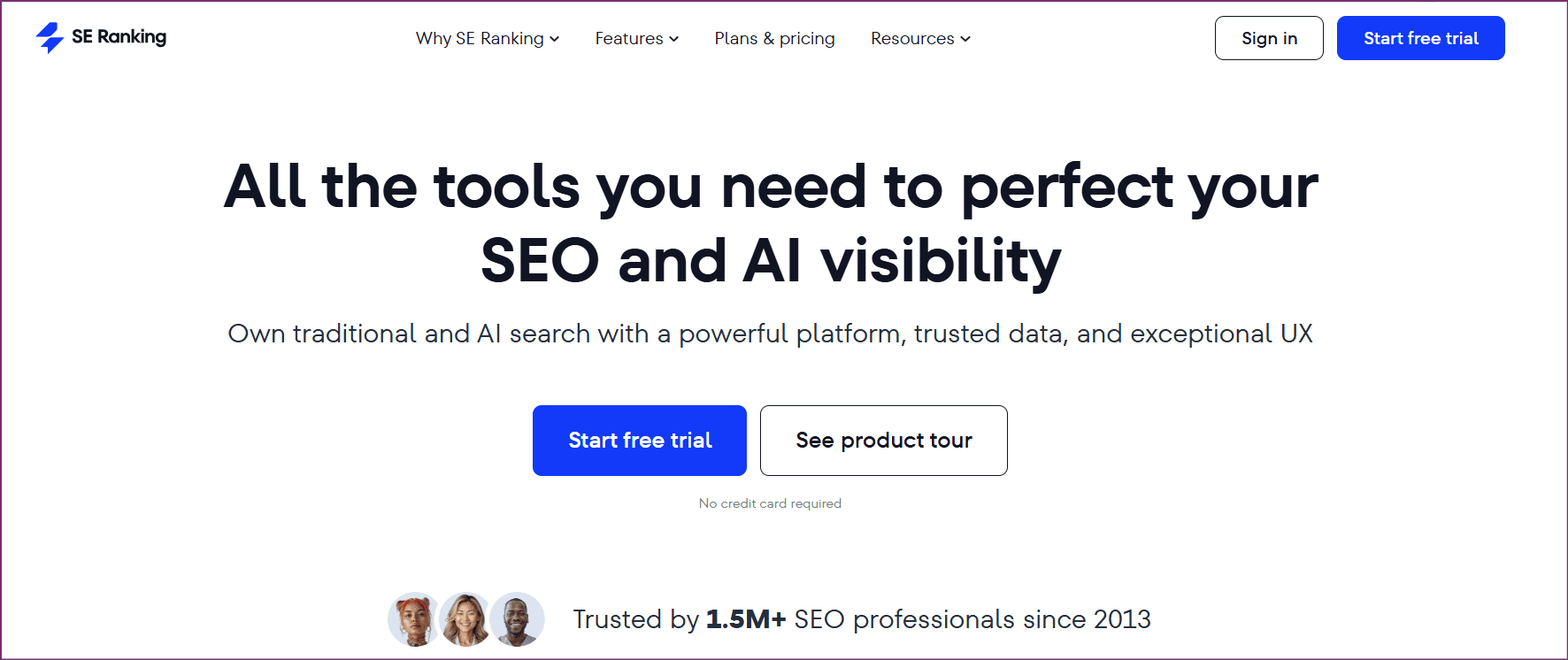
SE Ranking combines seed-keyword expansion, question terms, intent, and historical trend data with competitive research and rank tracking. That makes it useful when the research should lead directly into a managed client project. Its API documentation is unusually clear about the metrics and discovery types available, but API usage is a separate buying decision from the regular web app. Compare project and export limits with your client count.
Where it shines
- Question, related, and long-tail keyword discovery
- Intent and historical trend data
- Keyword work connects to competitors and tracked projects
Consider before buying
- No permanent free platform plan
- API and agency needs may add cost beyond the base plan
Pricing: Core $129/month
Core is $129 monthly according to the vendor; annual billing and optional add-ons change the effective cost.
Product details: vendor source
Ubersuggest
Best for light, budget-conscious research
Best for: Site owners validating a small number of topics before investing in a larger SEO suite
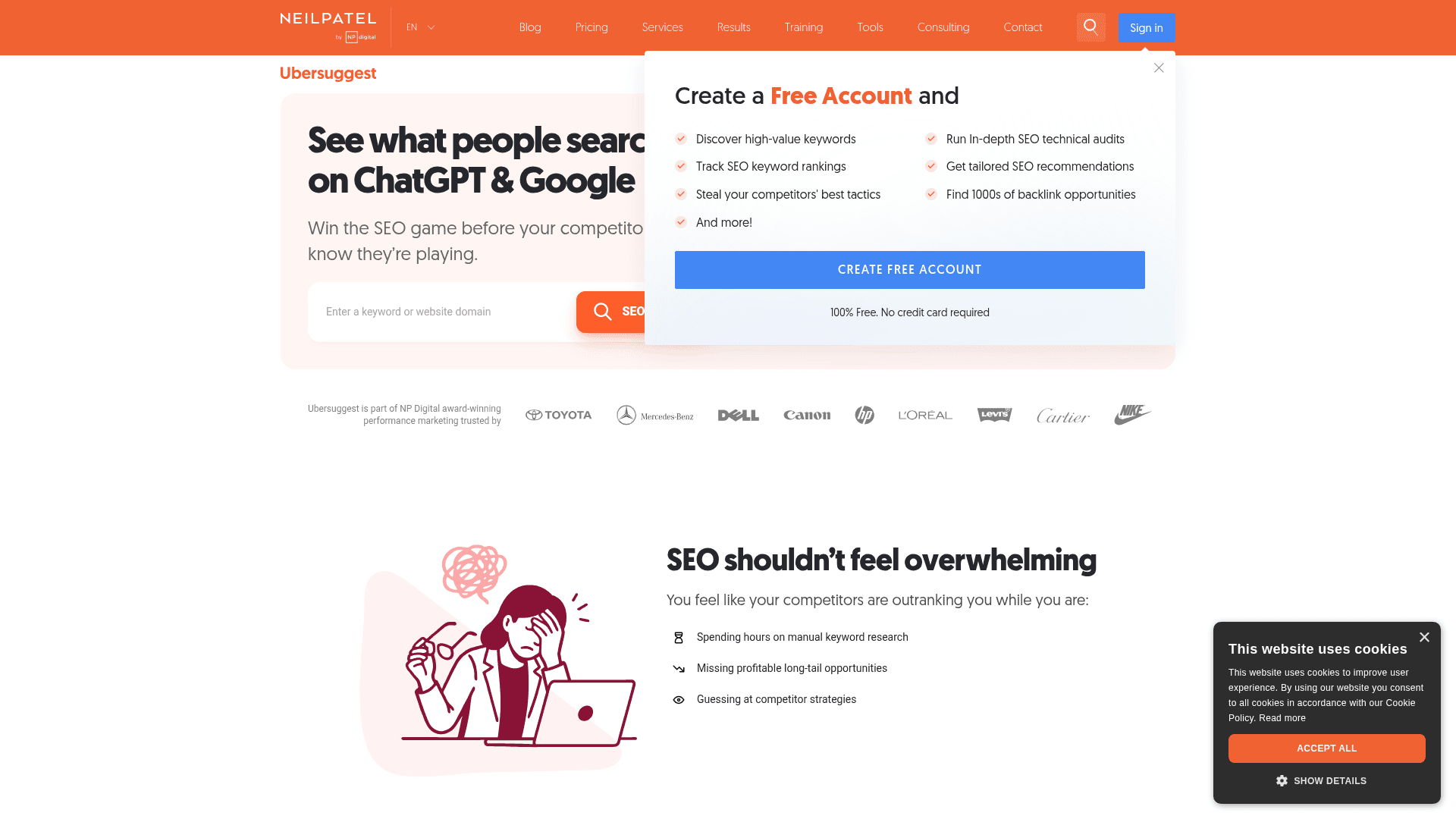
Ubersuggest offers keyword ideas, content ideas, and competitor views through a relatively simple interface. The limited free access lets a new site owner test a topic and learn the mechanics of research. Its paid and lifetime offers can suit a stable, modest workload, but evaluate the current limits rather than assuming a one-time purchase covers every new AI or tracking feature.
Where it shines
- Easy entry point with limited free access
- Keyword and content ideas in one workflow
- Paid and lifetime purchase options
Consider before buying
- Free usage is restricted
- Check feature and usage differences between lifetime and subscription plans
Pricing: Limited free access; paid and lifetime options
Free searches and paid limits vary. Check the current checkout before comparing a subscription with a lifetime offer.
Product details: vendor source
Google Keyword Planner
Best advertising-demand baseline
Best for: Teams validating paid-search demand, seasonality, and CPC alongside an organic keyword plan
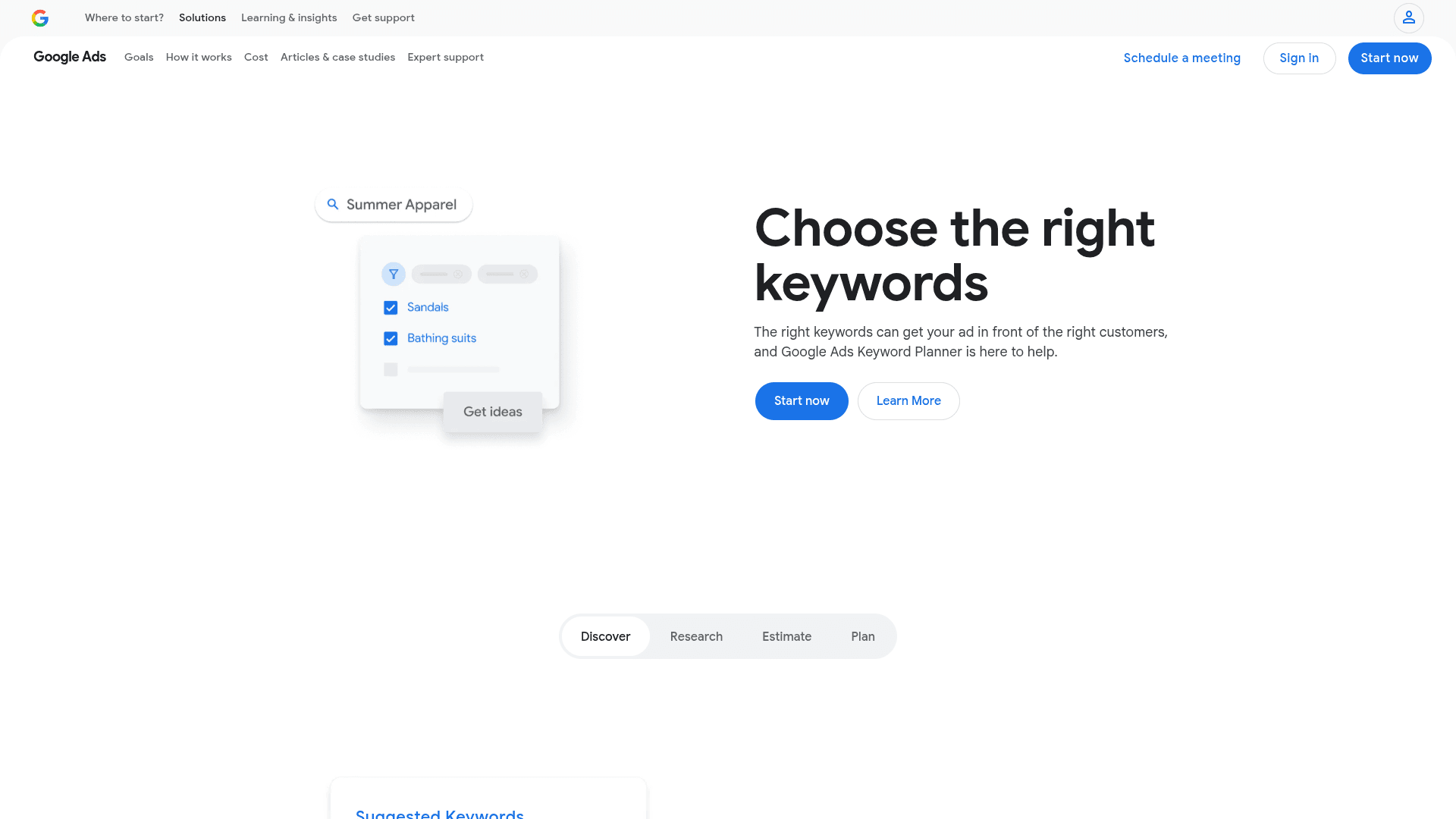
Keyword Planner discovers terms from a seed phrase or website and reports estimated monthly searches and advertising costs. It is a useful second opinion about commercial demand, especially for local or product terms. But its competition column measures advertiser competition. It does not tell you how difficult an organic result is to outrank, and its forecasts model ads rather than free search clicks.
Where it shines
- Ideas from seed terms or a website
- Location, monthly-search, and CPC context
- Useful bridge between SEO and paid-search planning
Consider before buying
- Ads competition is not organic keyword difficulty
- Forecasts are for ad campaigns, not organic traffic
Pricing: Included with Google Ads
Google says basic access requires completing an Ads account setup with billing information; ad spend and account activity affect available data.
Product details: vendor source
How to choose the right tool
Start with one real topic
Give every trial the same seed term, target country, and target customer. Compare the usable page ideas you get, not the raw number of suggestions.
Inspect the SERP before trusting a score
Open ranking pages and note intent, page type, freshness, and the strength of competing domains. Difficulty values from different vendors are not interchangeable.
Calculate monthly research volume
Count researchers, seed searches, bulk exports, regions, and keyword refreshes. This exposes a plan that looks cheap but runs out of credits mid-month.
Validate against your own data
Use Search Console to find queries and pages where your site already appears, then use discovery tools to expand and prioritize adjacent opportunities.
Frequently asked questions
What is the best keyword research tool in 2026?+
Ahrefs is a strong choice for deep competitor and SERP research. Semrush suits teams that want an all-in-one SEO suite. KWFinder is simpler for a smaller workflow. Choose using your target country, monthly lookup volume, exports, and the type of decisions you need to make.
Can I do keyword research for free?+
Yes. Start with your site's Google Search Console queries, limited Ubersuggest access, Google Keyword Planner, and free keyword checks. Free options are useful for a small topic list, though they may have fewer competitor views and tighter usage limits.
Is Google Keyword Planner's competition score an SEO difficulty score?+
No. It describes competition among advertisers for paid placements. Organic difficulty requires looking at the pages in the unpaid search results and the strengths of those pages.
Why do keyword tools disagree on search volume?+
They use different data sources, geographic settings, update schedules, and grouping rules. Treat volume as an estimate, compare trends within one tool, and use Search Console clicks and impressions for queries where your site already appears.
How many keywords should one page target?+
Start with one search intent and a primary topic, then include closely related questions and variations that the same page can answer well. If two queries demand different page types or outcomes, plan separate pages.